ID: 3WE-VWNN
ID: 3WE-VWNN
Paulownia
Paulownia tomentosa
Planted
Italy
My connections
The project I am part of
Italy

2,200
Involved farmers
51,861
Planted trees
Italy is commonly described as a peninsula stretching in the Mediterranean Sea. Actually, in addition to the peninsula area, Italy includes a continental area as well as several islands: although it is a small country, Italy has an extremely varied landscape. The territory is mainly hilly, with mountains occupying more than 35% of the territory. Treedom works with various partners encouraging organic farming. The results of this projects include the creation of a sustainable production and trading chain that has a positive impact on society and on those same seized assets, which have become free croplands and are used to create high quality products using eco-friendly methods.
My ID card
Who am I?
Tree
Paulownia
Date of birth
01/26/2026
Name
Paulownia

/10.10832964,45.69140301,0/500x333@2x?access_token=pk.eyJ1IjoidG9tbWFzb3NwZXJvbmkiLCJhIjoiY2tnOTE3eW12MDJqazMybXNzOWV1YjloOSJ9.wtGsuDU7XIKjcv2cq8CiXw&logo=false&attribution=false)
Where am I located?
Country
Italy
Place of birth
Sulzano
Coordinates
45° 41′ 29.05″ N | 10° 6′ 29.99″ E
My Timeline
The important moments in your tree's life.
Seed
It all starts with a tiny seed, nice and warm in the soil.
Nursery
Your seedling is big enough to be welcomed into one of our nurseries, along with many others.
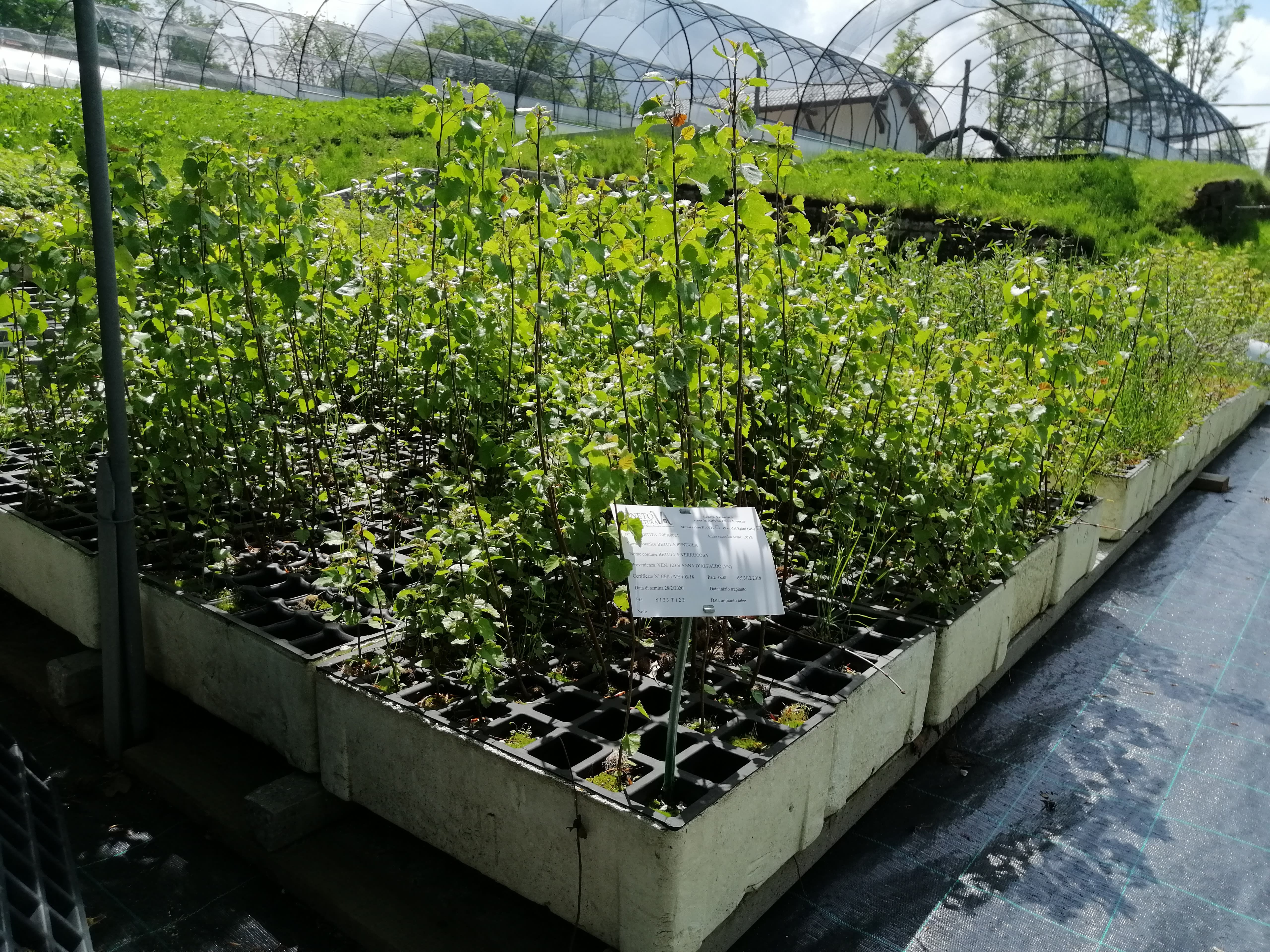
Planted
We’re here! Your tree has reached its new home: it’s been planted by a smallholder, who’ll take care of it for years to come.
Photo
Strike a pose! Now that it’s big enough, here’s a photo of your tree!
My Gallery
Nursery
Planted
10° 6′ 29.99″ E

Curiosity about me
The important moments in your tree's life.
Let's start with introductions
The Paulownia is a tree native to East Asia, particularly widespread in China, and now cultivated in many parts of the world for its rapid growth and ornamental value. It can reach 10–20 metres in height in just a few years, developing a straight trunk and a broad, light canopy. It is easily recognisable for its large, heart-shaped leaves, soft and velvety to the touch, which can reach remarkable sizes. In spring, before the leaves appear, it is covered in pale purple flowers, arranged in upright clusters, highly decorative and fragrant. After flowering, it produces woody capsules containing numerous small seeds, which often remain on the tree throughout the winter. The Paulownia is a resilient and adaptable species, capable of regrowing quickly even after pruning or damage, a quality that makes it particularly interesting for reforestation projects.
Meaning
Renewal
The Paulownia is associated with renewal, a quality that clearly emerges from its ability to grow and regenerate. It is a tree that develops rapidly and that, even after being cut back or damaged, can resprout vigorously and resume its cycle. Its flowering, which comes before the leaves, marks a clear and almost sudden beginning, bringing colour and presence when the tree still seems at rest. For this reason, the Paulownia becomes a symbol of tangible renewal: one that restarts, renews itself and finds new energy even after a pause or a setback, opening each time a new possibility for growth.

How much CO2 I’ll absorb
My estimated CO2 absorption capacity is based on the first 10 years of my life*
Current absorption
- 0 kg
2026
0 kg
2036
-100 kg
* The tree will continue to absorb CO2 even after the tenth year. Therefore this is a prudent estimate.
How I am useful to local communities
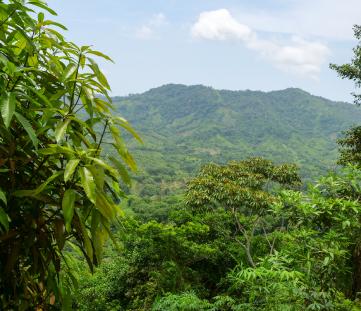
Anti-wind
It protects young plants from the wind and reduces water evaporation from the soil.
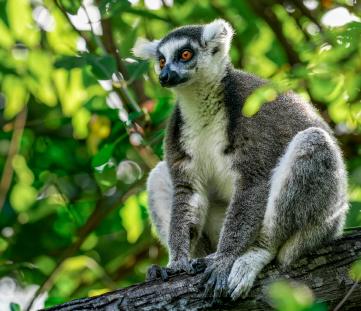
Biodiversity
It helps restocking various animal species, thus helping the variety of fauna and flora overall.
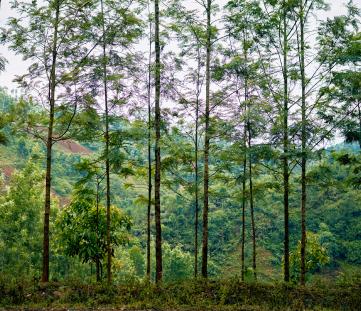
Fence
It provides protection for crops and shade for livestock.
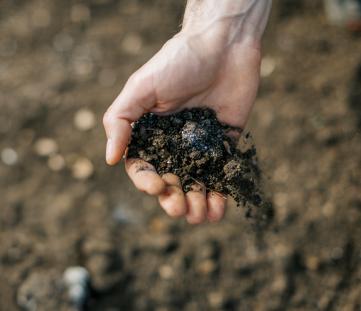
Soil
It improves the quality of the soil thanks to the nitrogen fixation process or it reduces soil erosion, thanks to its extended root system.
My benefits
0%
Food Security
The trees will bear fruits, some that will be edible immediately and others that can become edible through processing, ensuring food resources over time.
0%
Economic development
The trees' fruits and the products derived from their transformation can be traded in local networks, offering income opportunities.
0%
CO₂ Absorption
During its life cycle, each tree will absorb CO₂. The trees you plant can offset your emissions.
0%
Environmental protection
The trees are planted in agroforestry systems that favor the virtuous interaction between the different species and their positive impact on the environment and on the land.