ID: P3J-RRDJ
ID: P3J-RRDJ
Pepe
Pimenta dioica
Photo
Guatemala
My connections
The project I am part of
Guatemala

6,177
Involved farmers
147,367
Planted trees
In the heart of Central America, Guatemala enchants with its volcanoes and Mayan heritage. Treedom promotes agroforestry by planting forest species and fruit trees like mango and cocoa. Indigenous women are involved in training and empowerment programs, creating more resilient and sustainable communities.
My ID card
Who am I?

Tree
Pepe
Date of birth
09/21/2026
Name
Pepe


Where am I located?
Country
Guatemala
Place of birth
Poptún
Coordinates
16° 16′ 26.73″ N | 89° 14′ 56.09″ W
My Timeline
The important moments in your tree's life.
Seed
It all starts with a tiny seed, nice and warm in the soil.
Nursery
Your seedling is big enough to be welcomed into one of our nurseries, along with many others.
Planted
We’re here! Your tree has reached its new home: it’s been planted by a smallholder, who’ll take care of it for years to come.
Photo
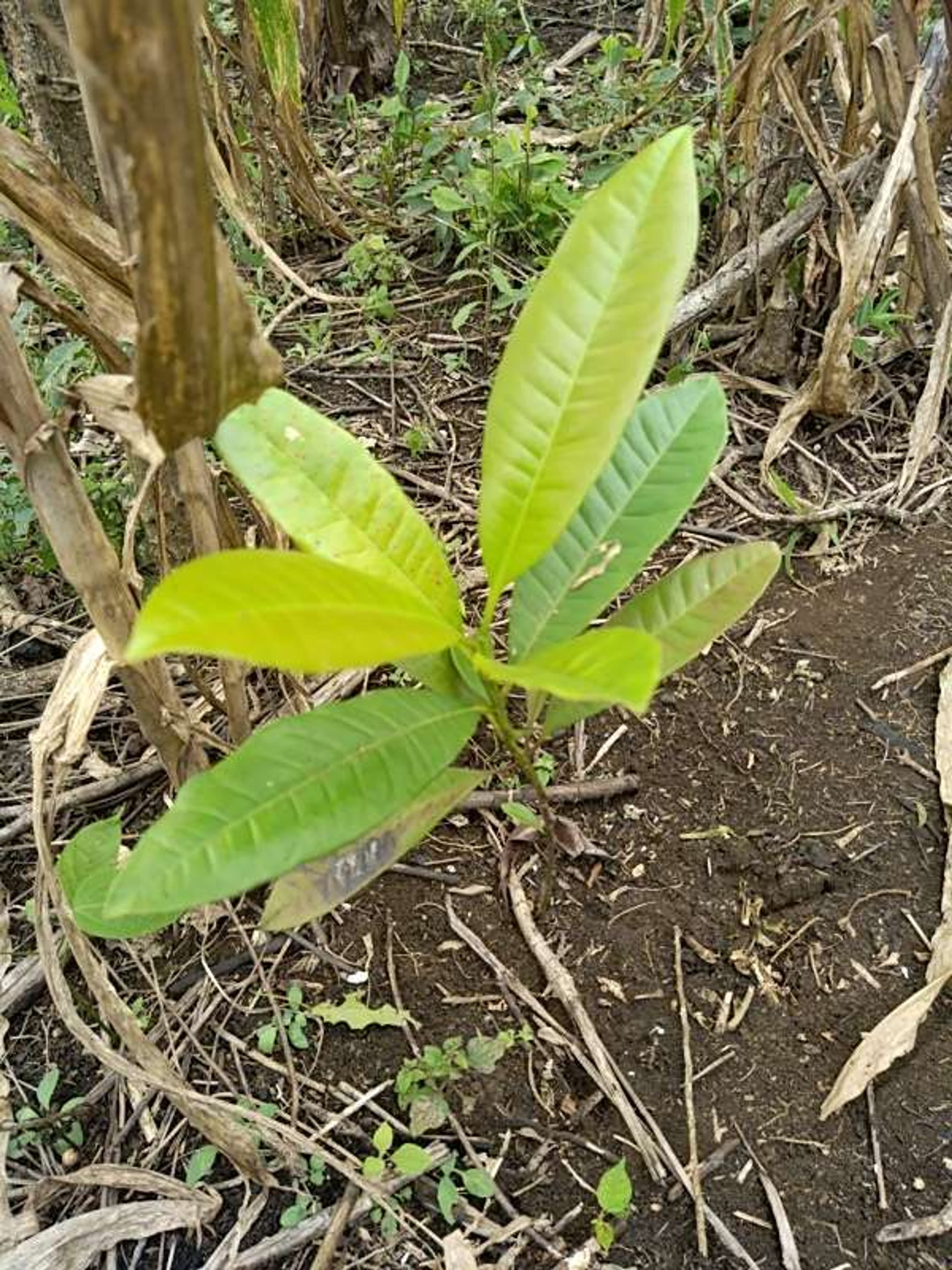
Strike a pose! Now that it’s big enough, here’s a photo of your tree!
My Gallery
Nursery
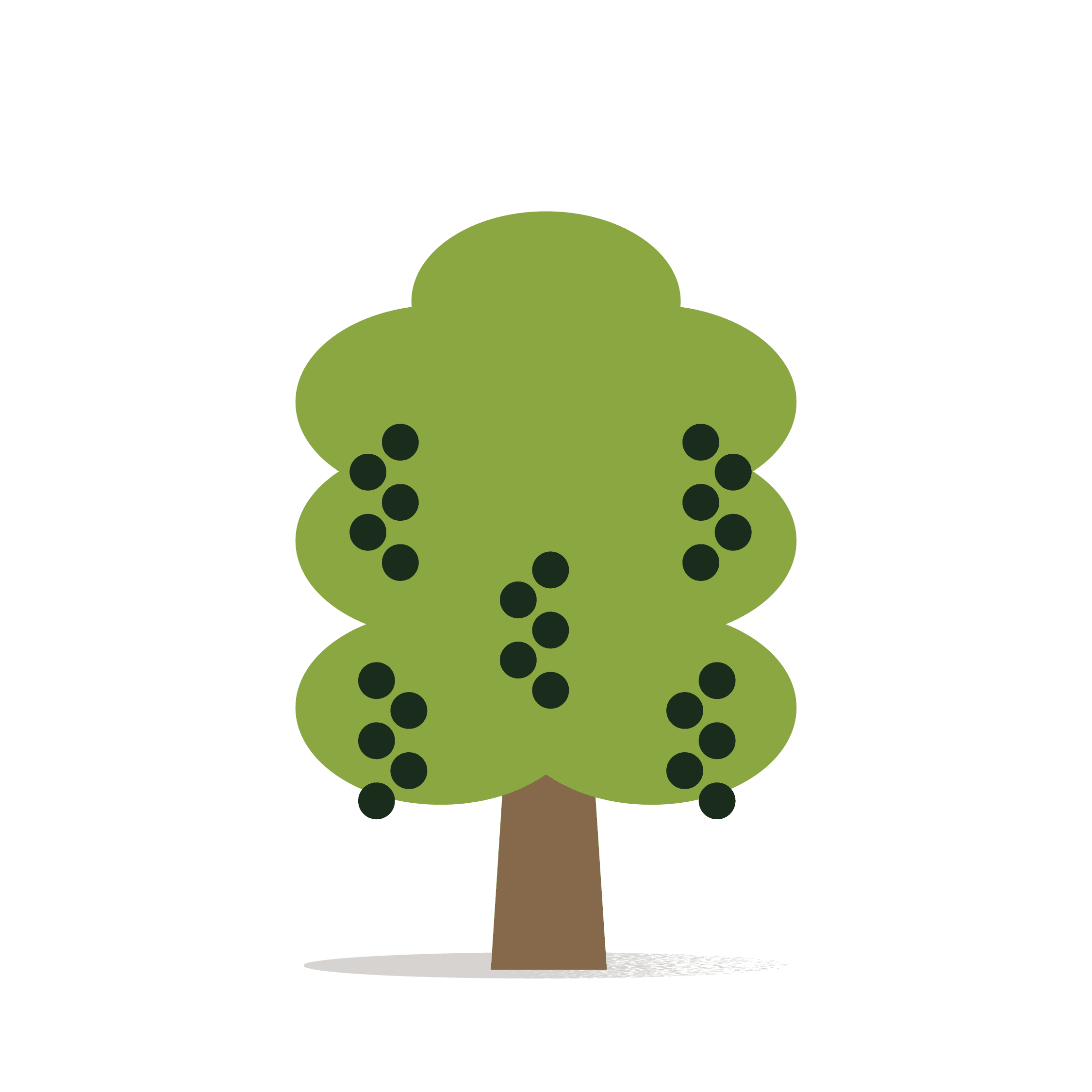
Planted
89° 14′ 56.09″ W
Photo
Curiosity about me
The important moments in your tree's life.
Let's start with introductions
The Jamaica pepper tree (Pimenta dioica) is an evergreen tree native to Central America and the Caribbean. It can grow up to 10–15 metres tall and develops a dense, well-shaped canopy. Its fruits are small green berries that, once dried, release an intense and complex aroma, with notes reminiscent of pepper, cloves, cinnamon and nutmeg. It grows in tropical and subtropical climates, in well-drained, sunny soils. It integrates well into agroforestry systems, where it coexists with other species, contributing to crop diversification and soil protection. From an environmental perspective, it supports biodiversity and enriches mixed farming systems. Socially and economically, it represents a valuable crop for local communities: its berries are in demand on international markets and provide a stable source of income over time.
Meaning
Harmony
Pimenta dioica is known as “allspice” because its aroma seems to combine several spices in one. It is a natural blend of different scents that coexist without overpowering one another. For this reason, it symbolises harmony: the ability to bring different elements together in balance. Planting or gifting a pimenta tree means wishing for unity, connection and that form of balance that grows from the meeting of differences.

How I am useful to local communities
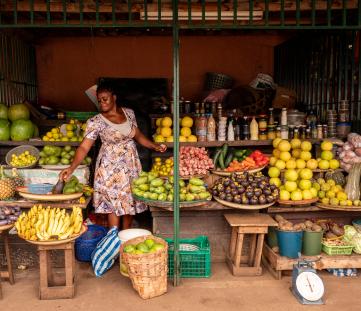
Consumption and sales
Its fruits, seeds and/or leaves are used as food in the farmers' families or are sold on local markets.
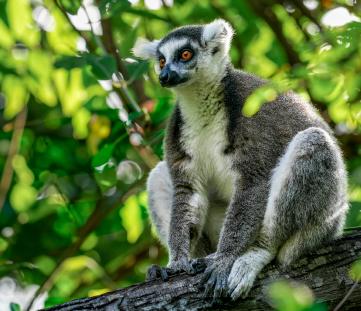
Biodiversity
It helps restocking various animal species, thus helping the variety of fauna and flora overall.
My benefits
40%
Food Security
The trees will bear fruits, some that will be edible immediately and others that can become edible through processing, ensuring food resources over time.
90%
Economic development
The trees' fruits and the products derived from their transformation can be traded in local networks, offering income opportunities.
20%
CO₂ Absorption
During its life cycle, each tree will absorb CO₂. The trees you plant can offset your emissions.
30%
Environmental protection
The trees are planted in agroforestry systems that favor the virtuous interaction between the different species and their positive impact on the environment and on the land.