
ID: RRG-45DK
ID: RRG-45DK
White Thorn
Acacia polyacantha
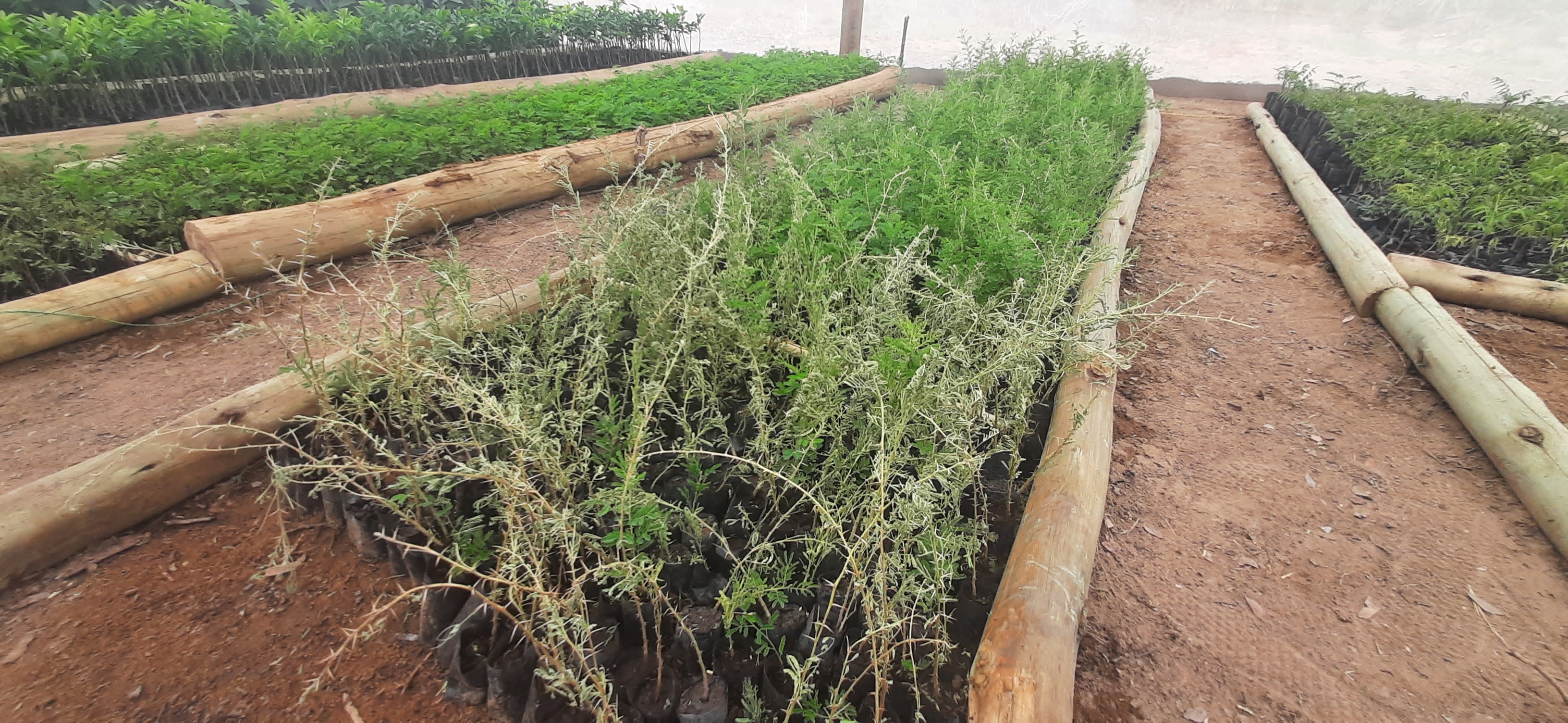
Nursery
Tanzania
My connections
The project I am part of
Tanzania

14,895
Involved farmers
425,730
Planted trees
Located in a strategic point on the east coast of the African continent, the territory of present-day Tanzania has been for centuries the crossroads of a series of trades, exchanges and connections between the Arab, Persian and Bantu worlds. In particular, the island of Zanzibar acquired a growing centrality, until it became an important sultanate linked to that of Oman. Today Tanzania is a country with a vast territory, three times larger than Italy, and rich in some of the most beautiful naturalistic corners of Africa. In the north-east, the territory is mainly mountainous and it is there that the Kilimanjaro is found, the highest and most famous peak of the continent. Still in the north, but on the western side, the Great Lakes region begins. That's where Lake Victoria and Lake Tanganyika are located, respectively the largest and the deepest in Africa. But perhaps the most incredible attraction that Tanzania has to offer the world are its natural parks. The Serengeti National Park, the famous Ngorongoro, the Selous reserve, the Mikumi park and the park of the Gombe Stream, small but of great importance. The district of Rombo is one of the seven districts of the Kilimanjaro region and contains a large portion of the Kilimanjaro National Park. The project aims to decrease the exploitation of water resources and improve environmental quality by offering productive activities such as fruit production and beekeeping, but implemented with a low use of water and soil. The project also intends to promote and disseminate an appropriate behavior with respect to the use of water, practicing reforestation of areas surrounding traditional water sources and proposing activities that generate an alternative income capable of motivating farmers to change land use and towards a less intense exploitation of natural resources such as beekeeping, an extremely profitable activity compatible with the natural forest associations in the area.
My ID card
Who am I?
Tree
White Thorn
Date of birth
03/17/2026
Name
White Thorn

/34.579149,-8.849455,0/500x333@2x?access_token=pk.eyJ1IjoidG9tbWFzb3NwZXJvbmkiLCJhIjoiY2tnOTE3eW12MDJqazMybXNzOWV1YjloOSJ9.wtGsuDU7XIKjcv2cq8CiXw&logo=false&attribution=false)
Where am I located?
Country
Tanzania
Place of birth
Wanging'ombe
Coordinates
8° 50′ 58.04″ S | 34° 34′ 44.94″ E
My Timeline
The important moments in your tree's life.
Seed
It all starts with a tiny seed, nice and warm in the soil.
Nursery
Your seedling is big enough to be welcomed into one of our nurseries, along with many others.
Planted
We’re here! Your tree has reached its new home: it’s been planted by a smallholder, who’ll take care of it for years to come.
Photo
Strike a pose! Now that it’s big enough, here’s a photo of your tree!
My Gallery
Nursery

Curiosity about me
The important moments in your tree's life.
Let's start with introductions
Also known as the African white thorn, this tree is one of the most beautiful in all of Africa. It can reach up to 25 meters in height and belongs to the Fabaceae family. Its white flowers are similar to the mimosa. The tree is used as an insect repellant, for medicinal purposes, and for its shade.
Meaning
Healing
Acacia polyacantha’s cortex is used in many different ways as a medicine. For example, an extract is made out of it that has a healing effect on snake bites and other wounds.

How much CO2 I’ll absorb
My estimated CO2 absorption capacity is based on the first 10 years of my life*
Current absorption
- 0 kg
2026
0 kg
2036
-250 kg
* The tree will continue to absorb CO2 even after the tenth year. Therefore this is a prudent estimate.
How I am useful to local communities
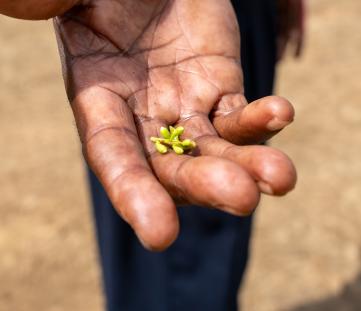
Medicine
Its leaves, roots, bark and/or fruits are used in traditional medicine.
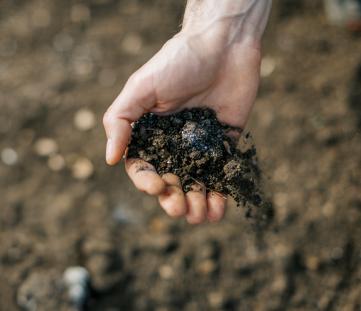
Soil
It improves the quality of the soil thanks to the nitrogen fixation process or it reduces soil erosion, thanks to its extended root system.
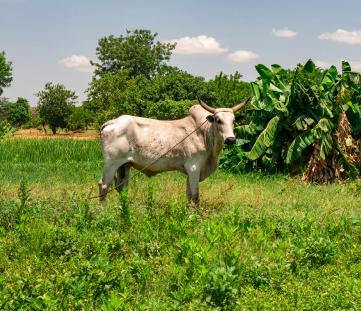
Livestock
Its leaves, either fresh or dried-out, are used as food for livestock.
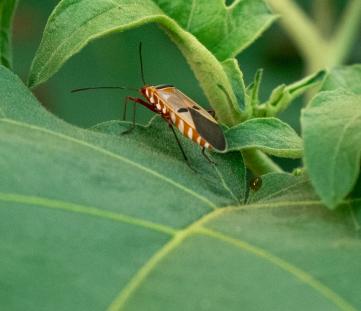
Natural pesticide
Its leaves and/or its fruits contain useful substances that can be used against plant diseases or as natural pesticides.
My benefits
20%
Food Security
The trees will bear fruits, some that will be edible immediately and others that can become edible through processing, ensuring food resources over time.
20%
Economic development
The trees' fruits and the products derived from their transformation can be traded in local networks, offering income opportunities.
40%
CO₂ Absorption
During its life cycle, each tree will absorb CO₂. The trees you plant can offset your emissions.
60%
Environmental protection
The trees are planted in agroforestry systems that favor the virtuous interaction between the different species and their positive impact on the environment and on the land.