ID: JKW-WMX
ID: JKW-WMX
Senegal Saba
Saba senegalensis
Photo
Senegal
My connections
The project I am part of
Senegal
2,477
Involved farmers
41,809
Planted trees
A West African country overlooking the Atlantic Ocean, Senegal is largely flat, with occasional volcanic hills. The climate is hot and tropical, with two seasons: a dry one and a rainy one. Among the animals that inhabit it,** in addition to lions, leopards and antelopes, it is worth mentioning the African manatee, which can be found in some of Senegal's major rivers. **Since 2011, **Treedom has been working in the Casamance River Delta region**, where the farmers involved have been planting fruit and forest trees. This project has improved the economic and social conditions of the rural population, by generating income and planting new trees in deforested areas.
My ID card
Who am I?
Tree
Senegal Saba
Date of birth
01/08/2018
Name
Senegal Saba

/-16.5954333,13.05434,0/500x333@2x?access_token=pk.eyJ1IjoidG9tbWFzb3NwZXJvbmkiLCJhIjoiY2tnOTE3eW12MDJqazMybXNzOWV1YjloOSJ9.wtGsuDU7XIKjcv2cq8CiXw&logo=false&attribution=false)
Where am I located?
Country
Senegal
Place of birth
Diouloulou
Coordinates
13° 3′ 15.62″ N | 16° 35′ 43.56″ W
My Timeline
The important moments in your tree's life.
Seed
It all starts with a tiny seed, nice and warm in the soil.
Nursery
Your seedling is big enough to be welcomed into one of our nurseries, along with many others.
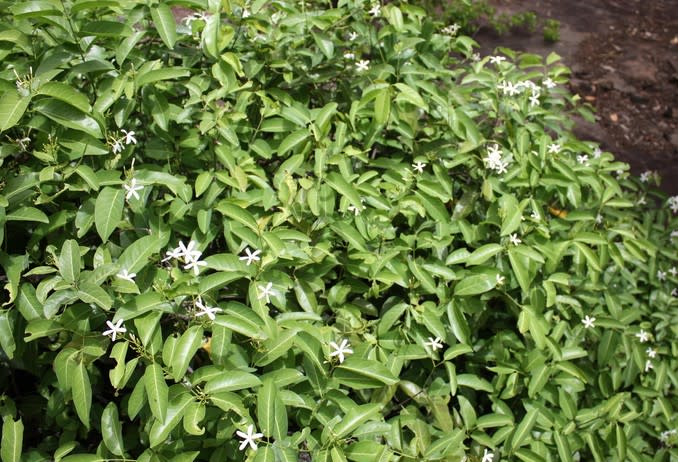
Planted
We’re here! Your tree has reached its new home: it’s been planted by a smallholder, who’ll take care of it for years to come.
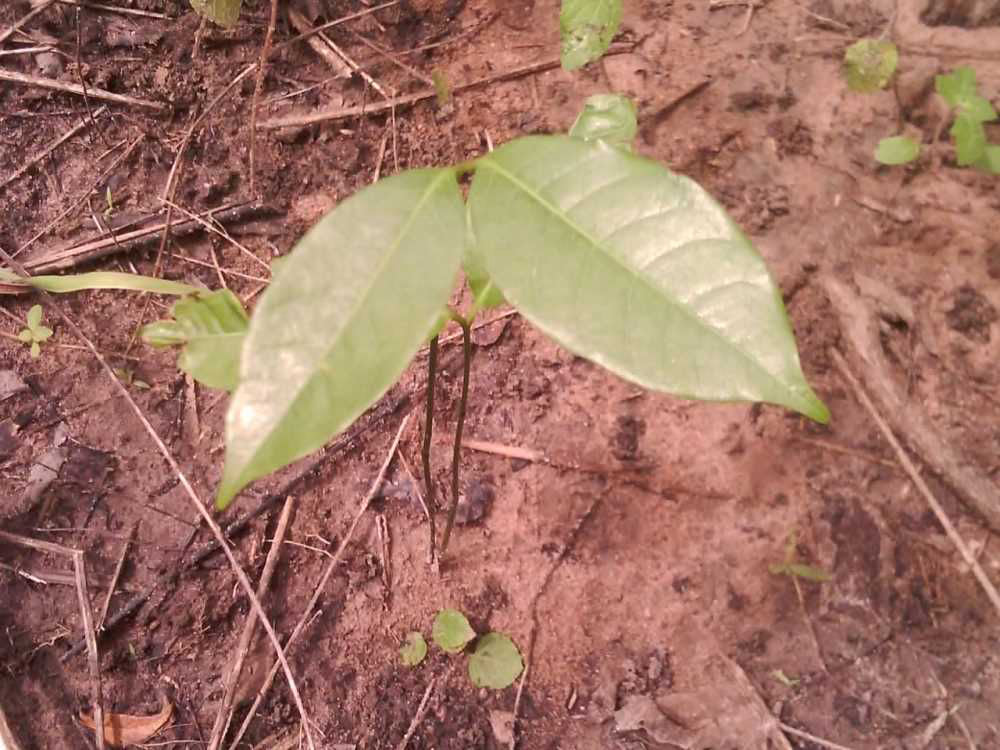
Photo
Strike a pose! Now that it’s big enough, here’s a photo of your tree!
My Gallery
Nursery
Planted
16° 35′ 43.56″ W
Photo
Curiosity about me
The important moments in your tree's life.
Let's start with introductions
The Senegal Saba or Madd is part of the Apocynaceae family. This plant can grow to be 40 meters tall, and it can reach 20 cm in diameter. It behaves like a climbing plant.
Meaning
Surprise
The Madd fruit is used to create a very tasty juice; the tree's bark, instead, secretes a gluey, white latex, used to glue things together around the house: this tree is full of surprises!
How much CO2 I’ll absorb
My estimated CO2 absorption capacity is based on the first 10 years of my life*
Current absorption
- 120 kg
2018
0 kg
2028
-150 kg
* The tree will continue to absorb CO2 even after the tenth year. Therefore this is a prudent estimate.
How I am useful to local communities
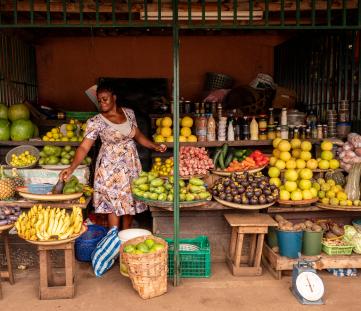
Consumption and sales
Its fruits, seeds and/or leaves are used as food in the farmers' families or are sold on local markets.
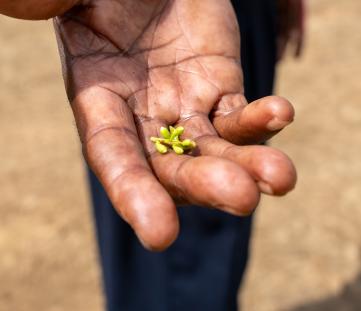
Medicine
Its leaves, roots, bark and/or fruits are used in traditional medicine.
My benefits
80%
Food Security
The trees will bear fruits, some that will be edible immediately and others that can become edible through processing, ensuring food resources over time.
70%
Economic development
The trees' fruits and the products derived from their transformation can be traded in local networks, offering income opportunities.
20%
CO₂ Absorption
During its life cycle, each tree will absorb CO₂. The trees you plant can offset your emissions.
40%
Environmental protection
The trees are planted in agroforestry systems that favor the virtuous interaction between the different species and their positive impact on the environment and on the land.