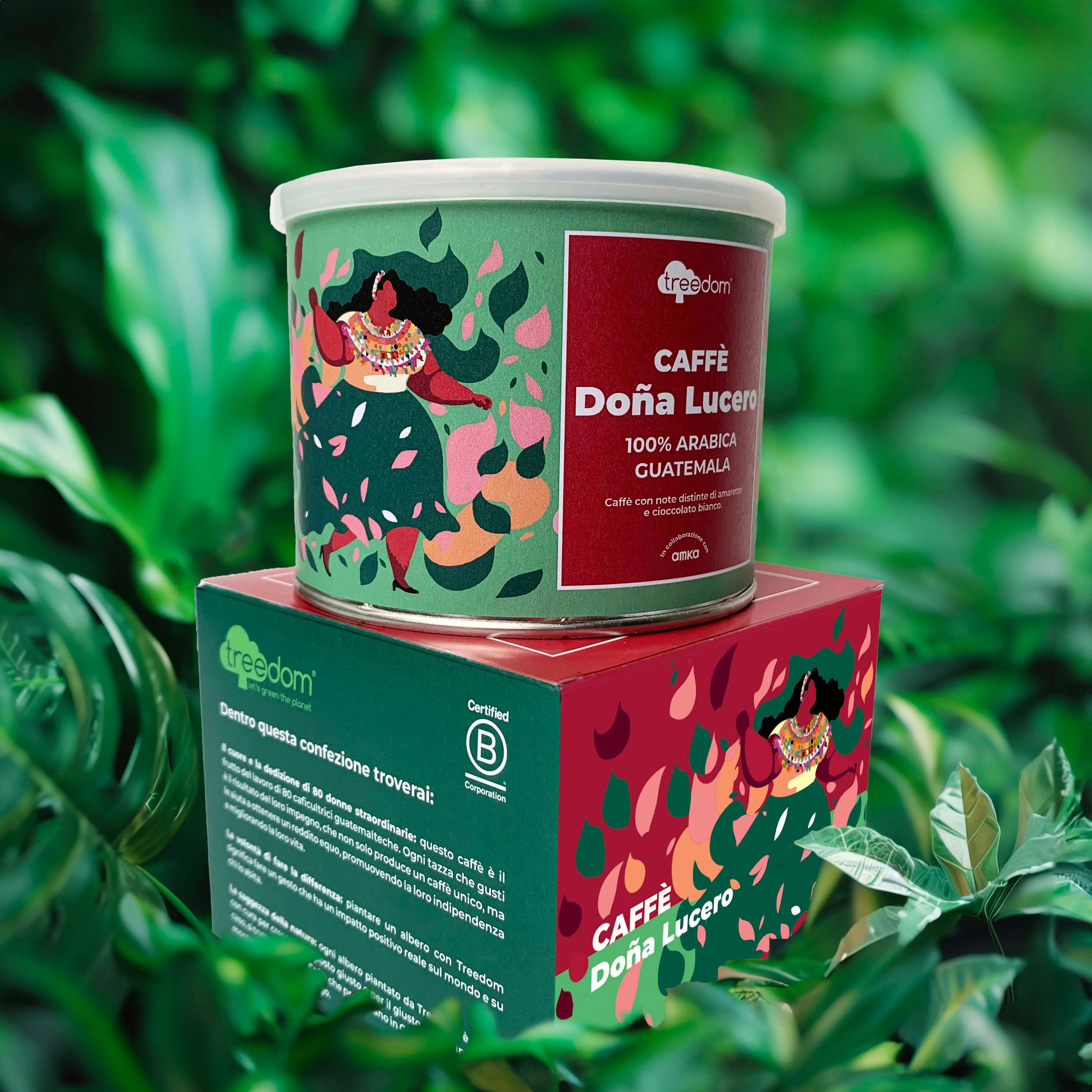
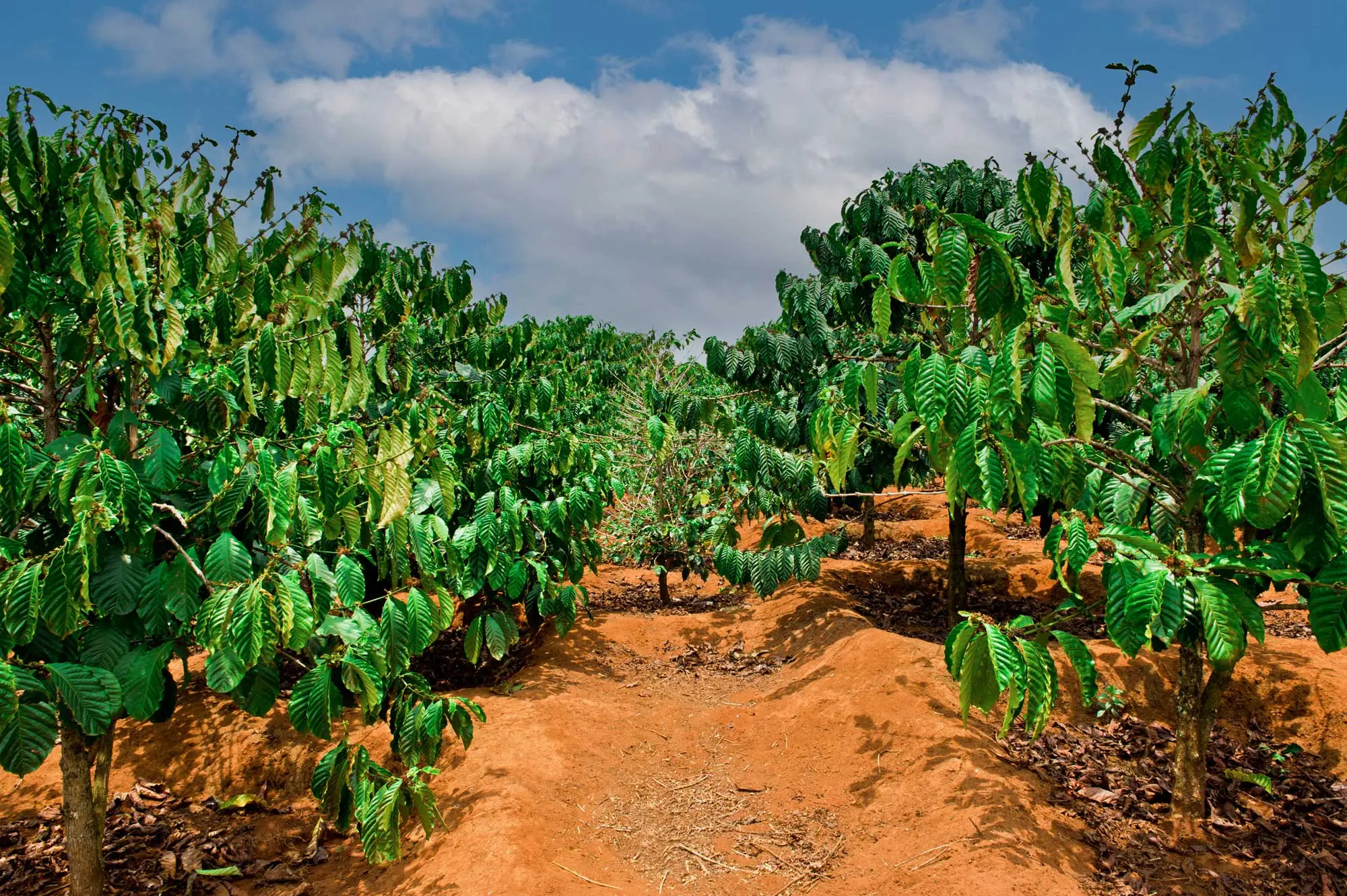
Doña Lucero Coffee
Boîte de Café + Un Arbre
Caféier
1 arbre
1 pays

De quel type d'arbre s'agit-il ?
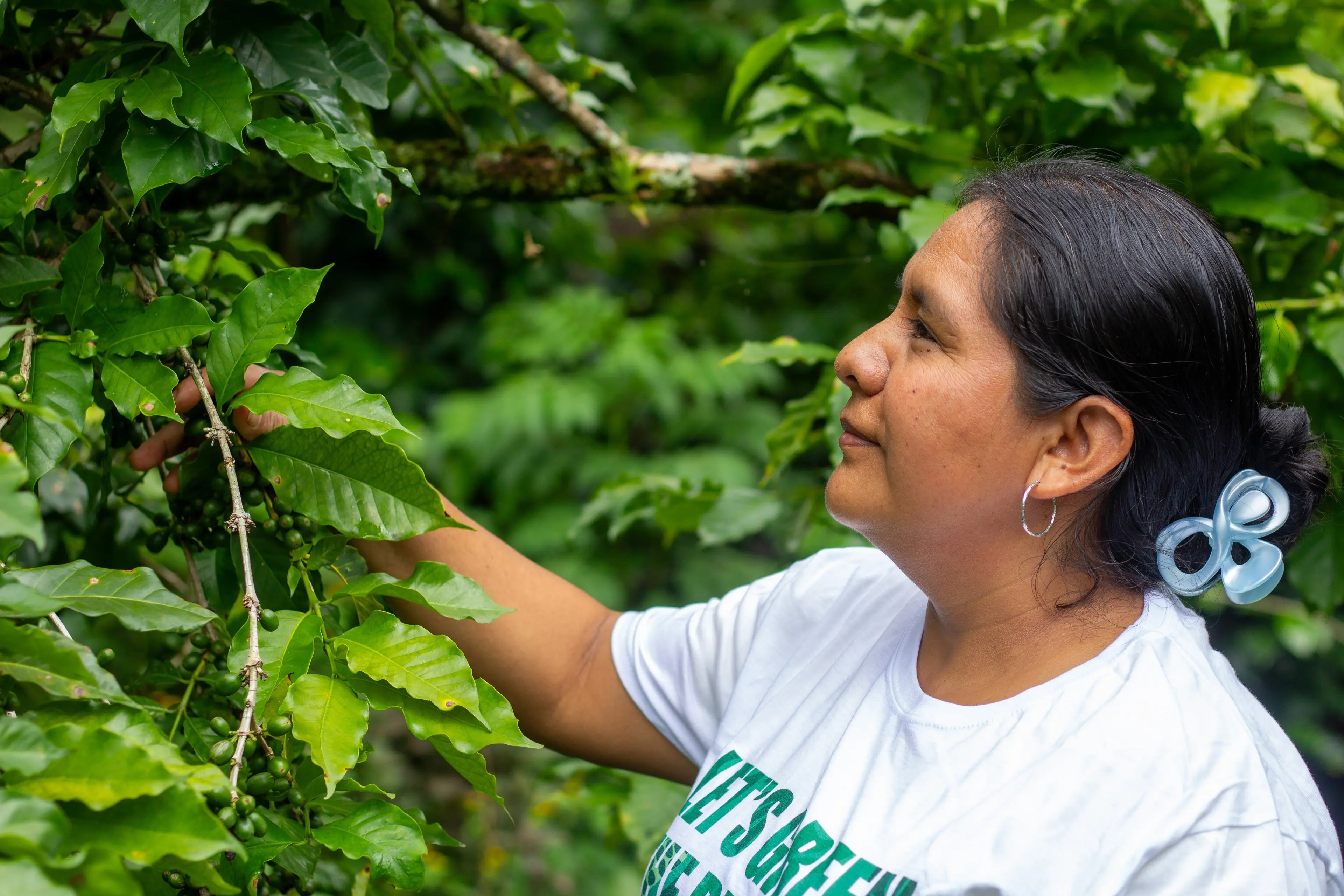
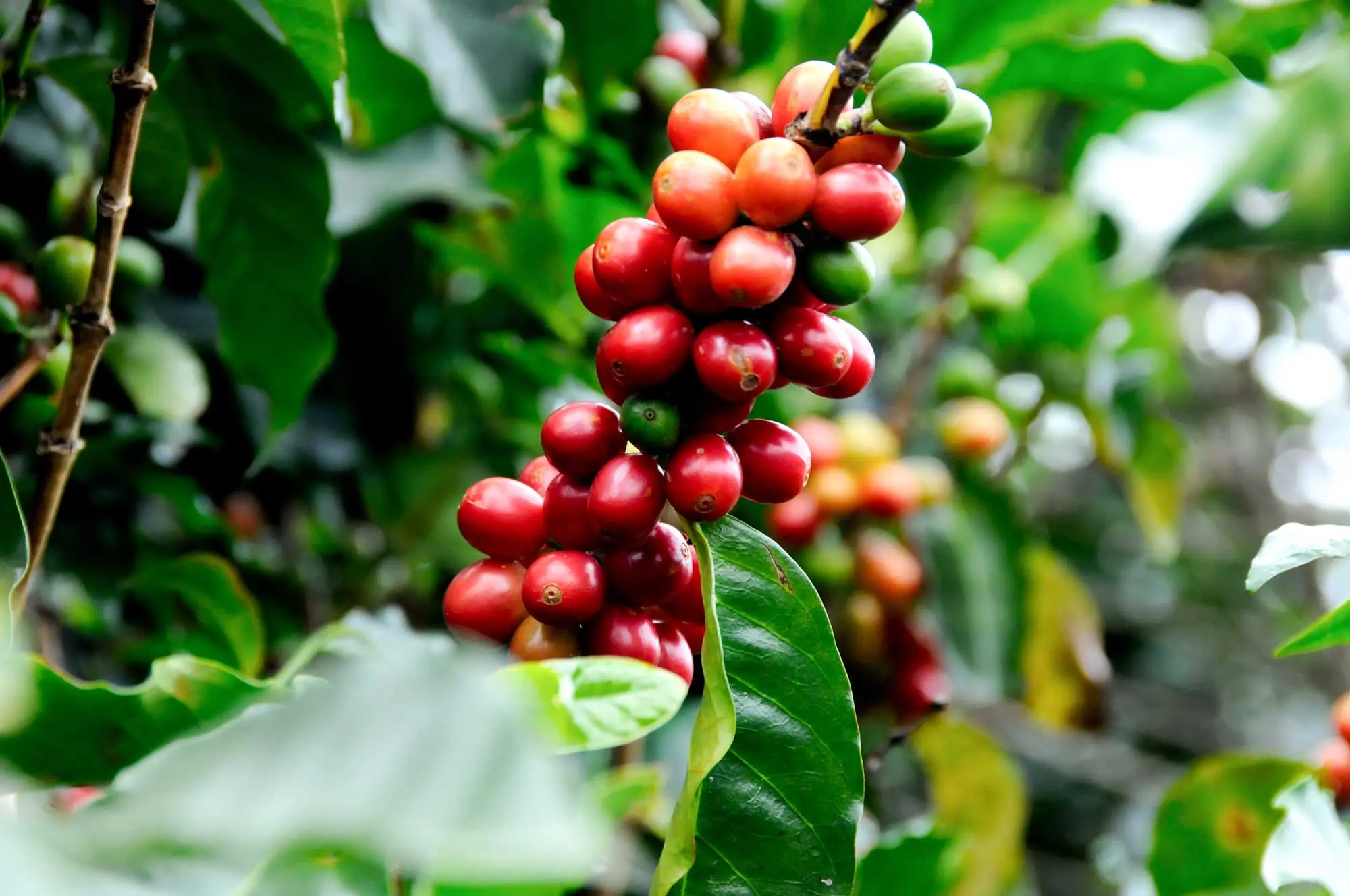
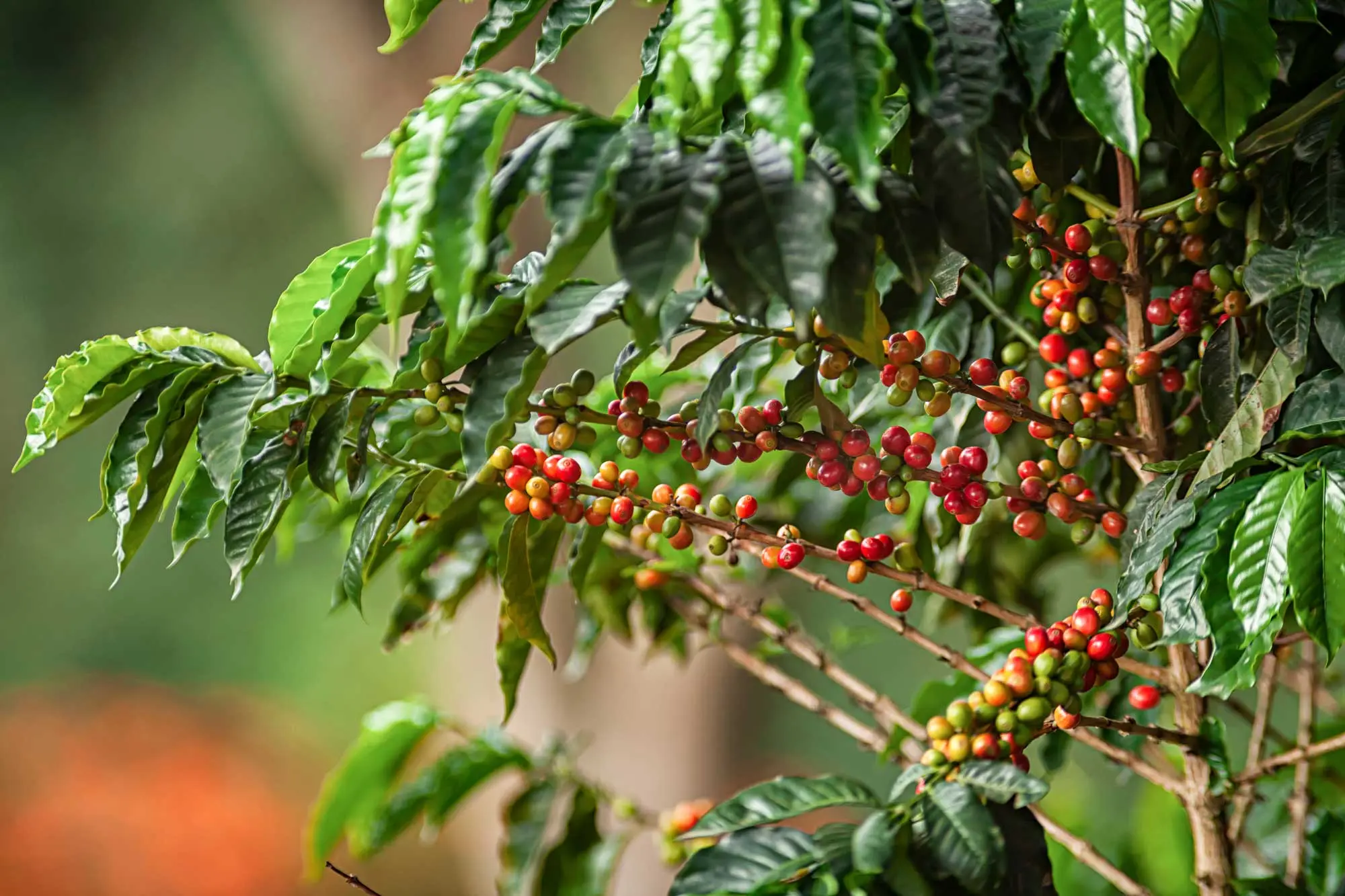
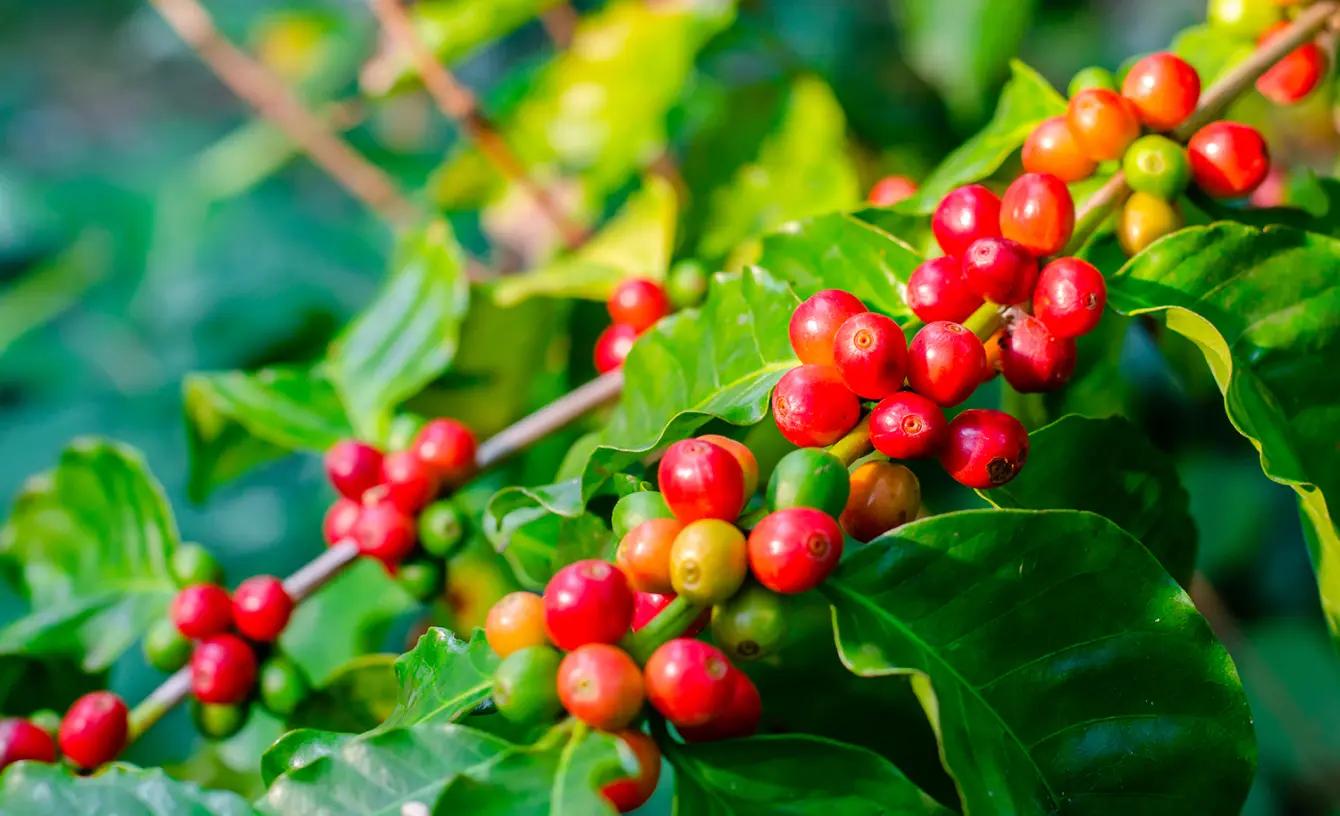
Le Caféier, dont les graines sont utilisées pour obtenir la fameuse boisson, appartient à la famille des Rubiacées. Celle-ci compte plus de 100 espèces, et les plus répandues sont le Caféier d'Arabie et le Caféier Robusta – comme on peut le constater dans les supermarchés. Saviez-vous que le café représente une source de revenu importante pour les communautés locales?
Utilisations locales
Consommation et vente
My benefits
Food Security
Economic development
CO₂ Absorption
Environmental protection
Meaning
Énergie
La caféine est le plus célèbre des énergisants naturels.

Première fois sur Treedom ?
Découvrez notre plateforme et ce que vous obtenez en plantant un arbre.

Ce qui est inclu?
Transparence et traçabilité
Tous les arbres de Treedom sont géolocalisés et photographiés lors de leur plantation. Une fois qu'un arbre a été acheté, il faut compter entre quelques semaines et plusieurs mois avant qu'il soit prêt à être planté.
Une histoire qui dure
En plantant un arbre, vous aurez accès à MyTreedom, notre plateforme numérique riche en contenus qui vous permettront de vous tenir au courant des projets de Treedom et de l'environnement : actualités des pays, changement climatique, espèces botaniques, culture verte, et bien sûr les pages attestées de vos arbres.
Un cadeau original
Offrir un sapin est très simple. Vous pouvez le faire pendant le processus d'achat ou à tout moment depuis votre profil, en choisissant la méthode que vous préférez (par e-mail, message ou en imprimant une carte à remettre en mains propres).
The phases of the project
The Region
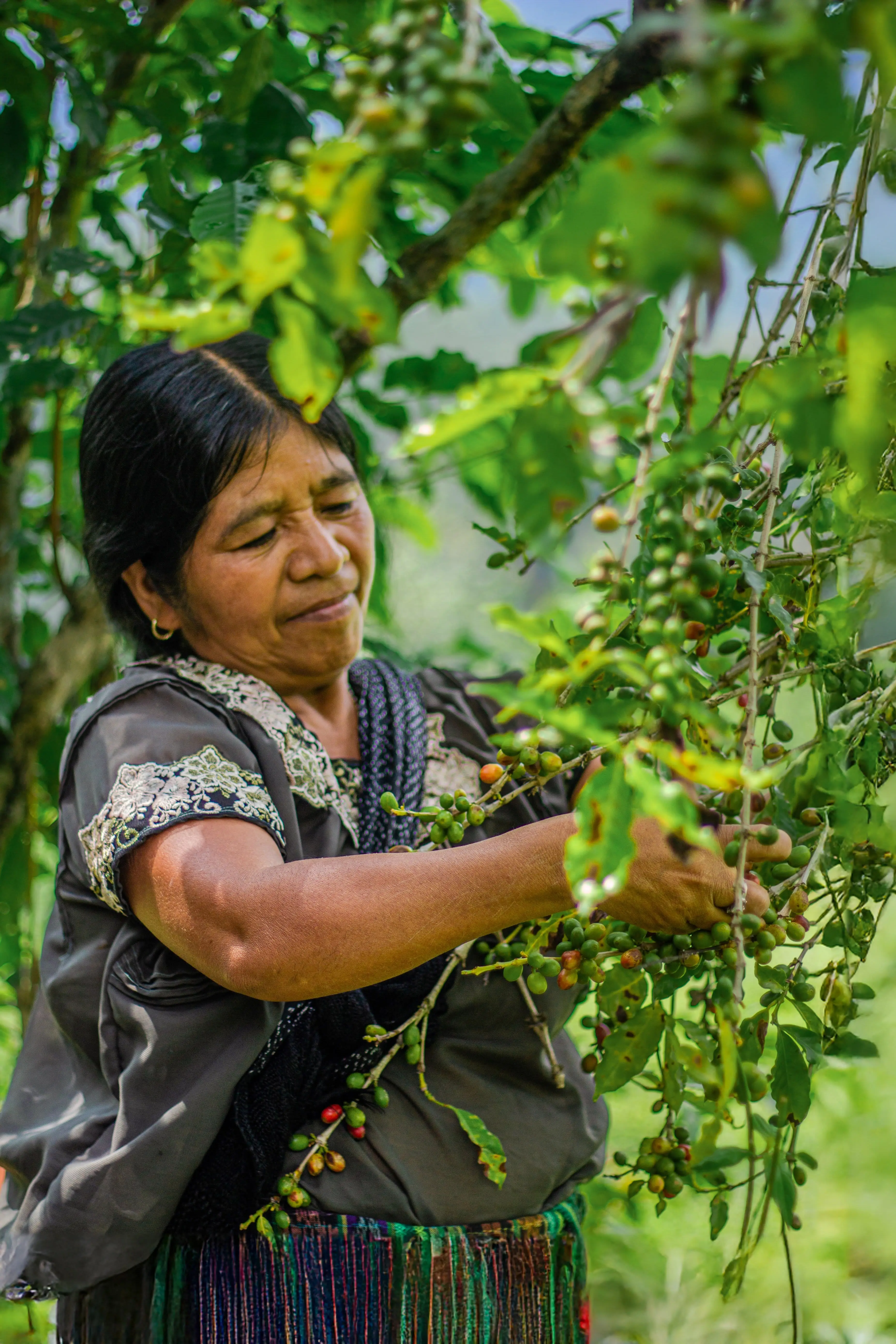
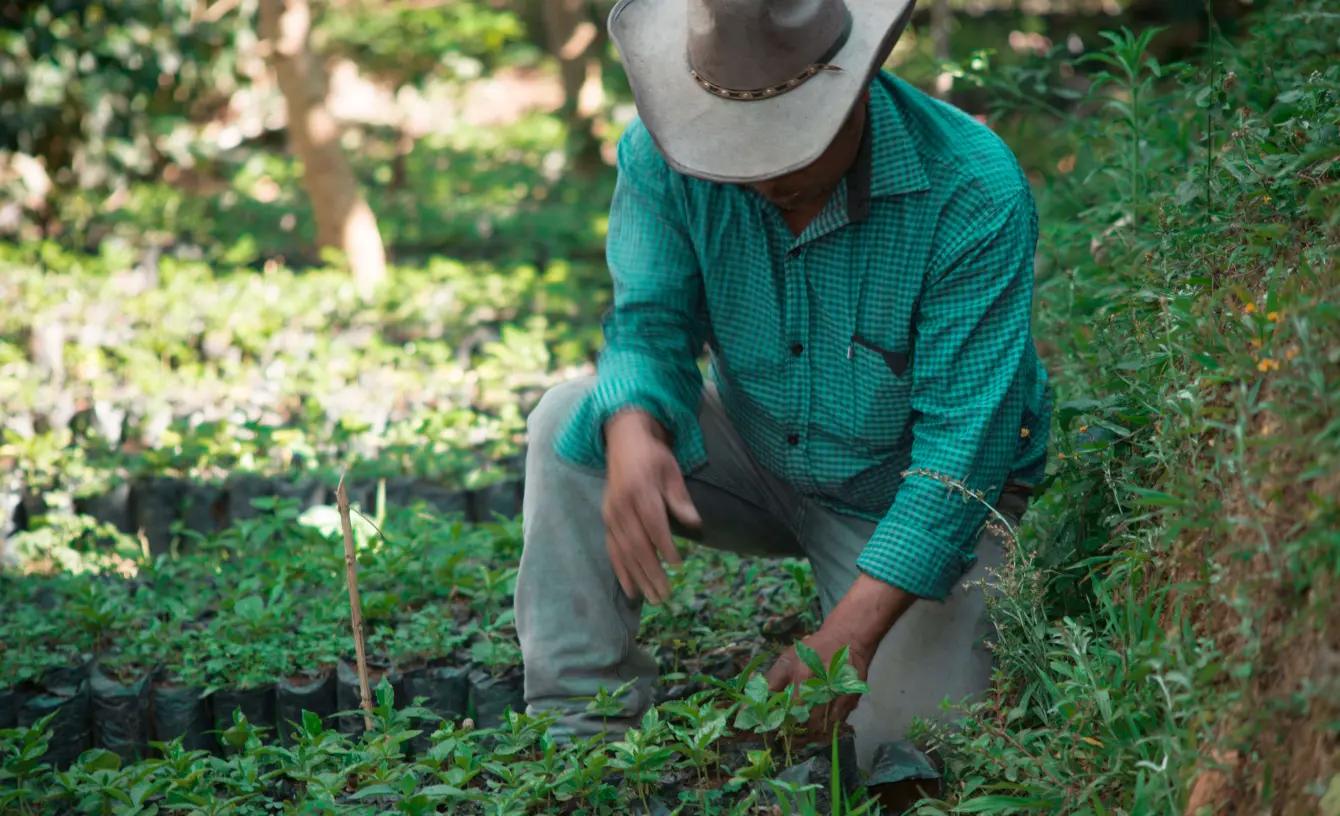
Petatán is a province nestled in the mountains of the Huehuetenango region in the western part of Guatemala. Passed down through generations, the cultivation, processing, and sale of what's known as pure highland coffee is the primary source of employment and sustenance for the local residents.
The project
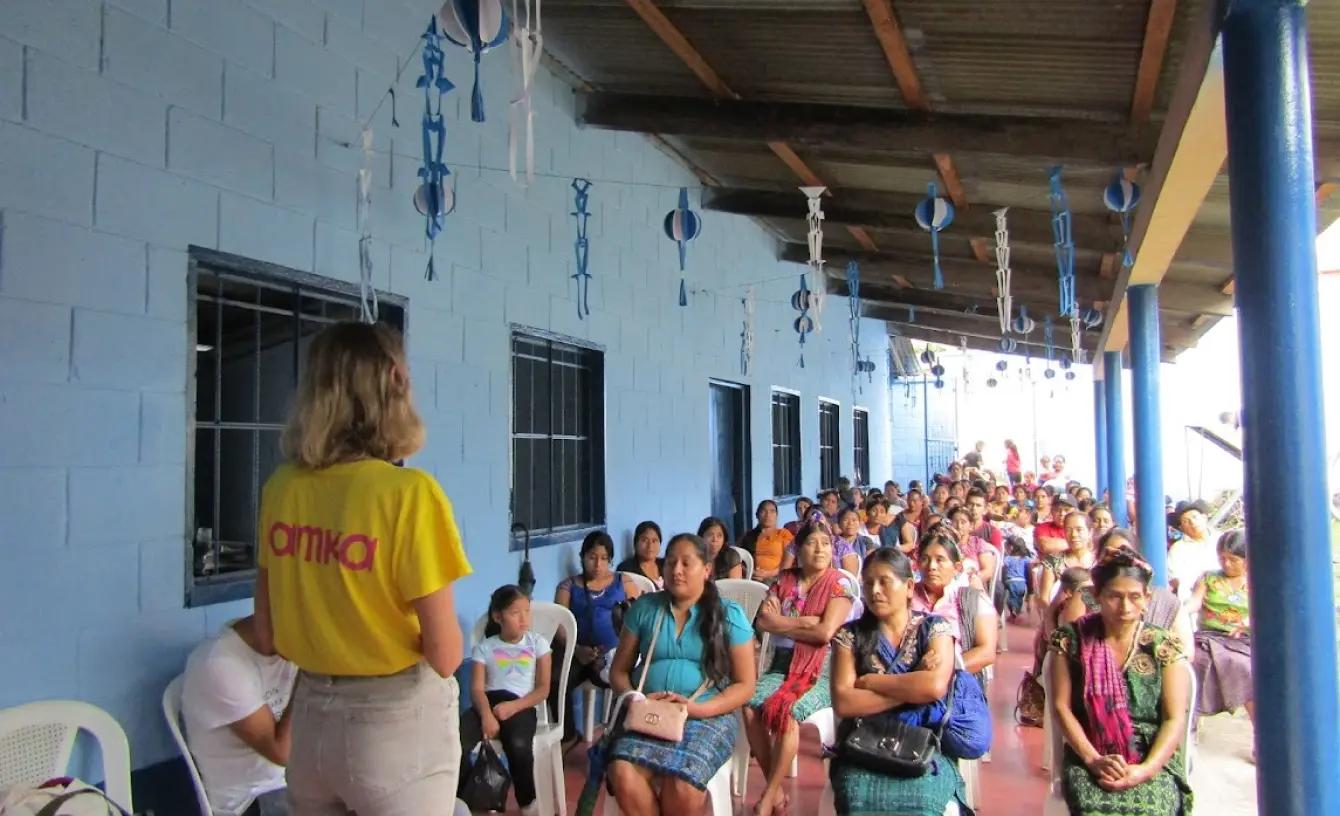
The training for the participants includes providing agricultural materials, specialized technical support to improve coffee cultivation and harvesting techniques. The program's goal is to strengthen the women's group by enhancing their skills, raising awareness of their roles, and promoting effective resource management.
Product processing
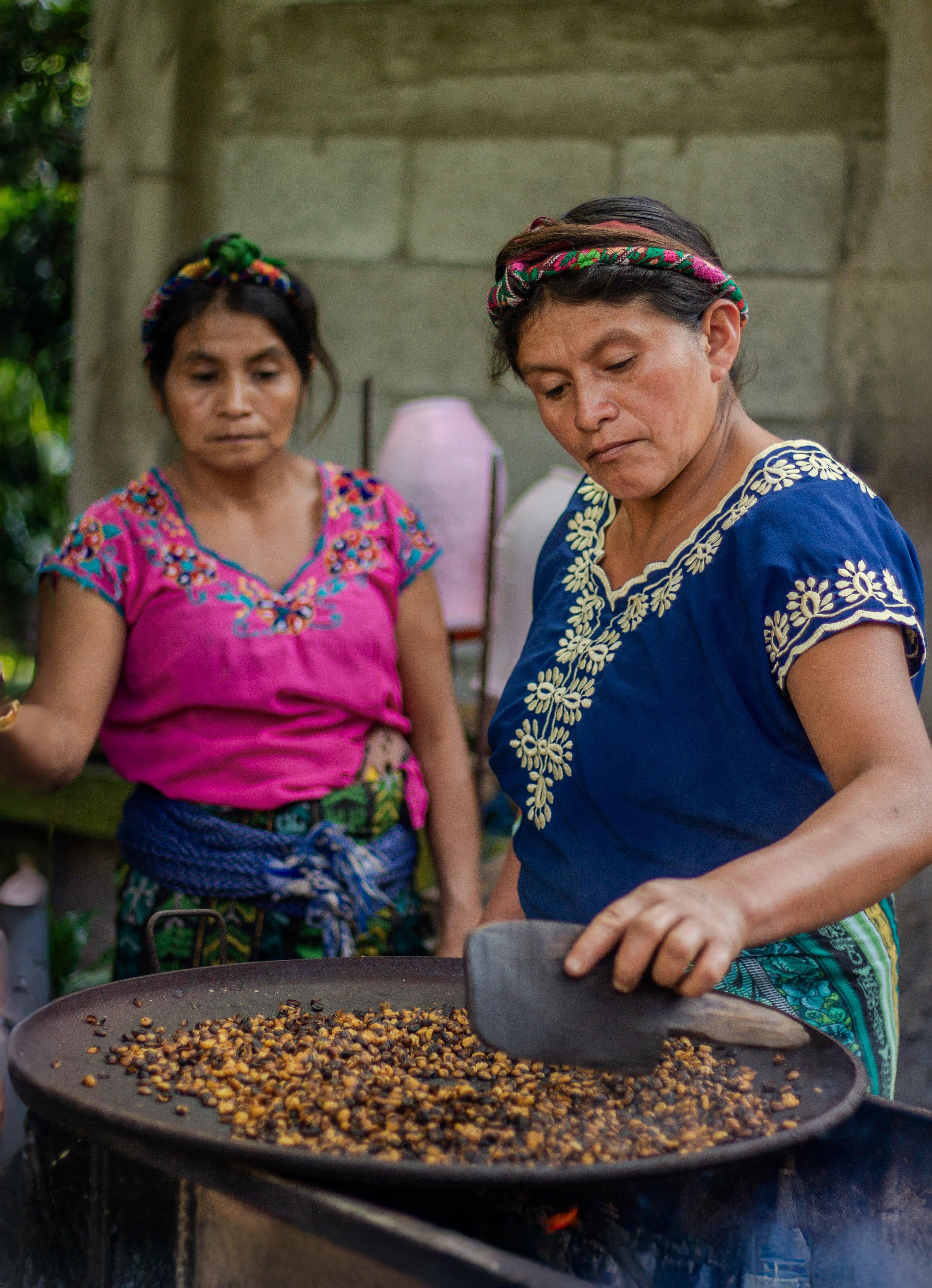
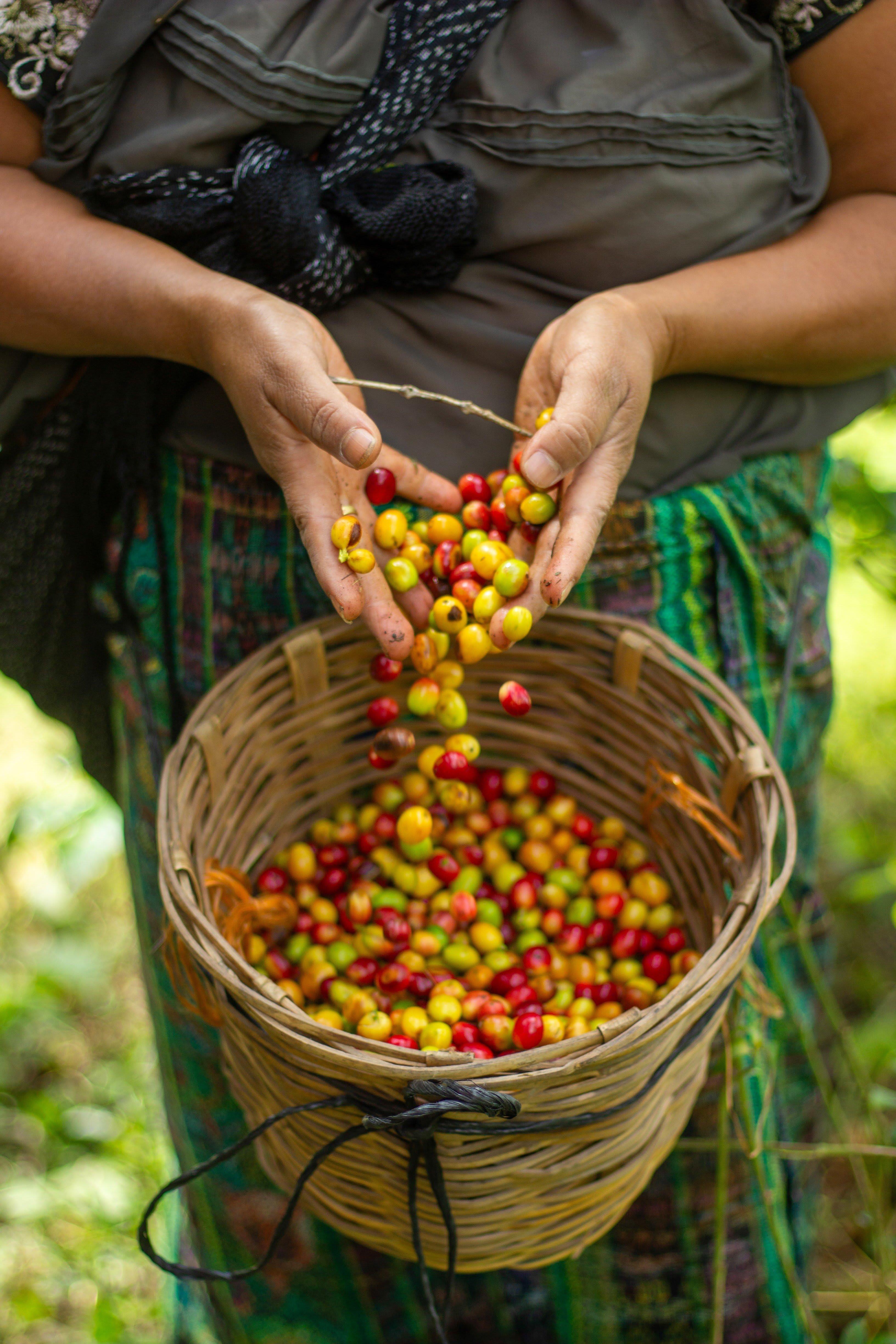
After picking, the berries are stripped, where the red skin and pulp are removed. Many women use hand mills for this, either at home or in the fields. The beans are then soaked for a couple of days, carefully washed, and left to dry for about four to five days, often on rooftops or in house courtyards.
The caficultrices
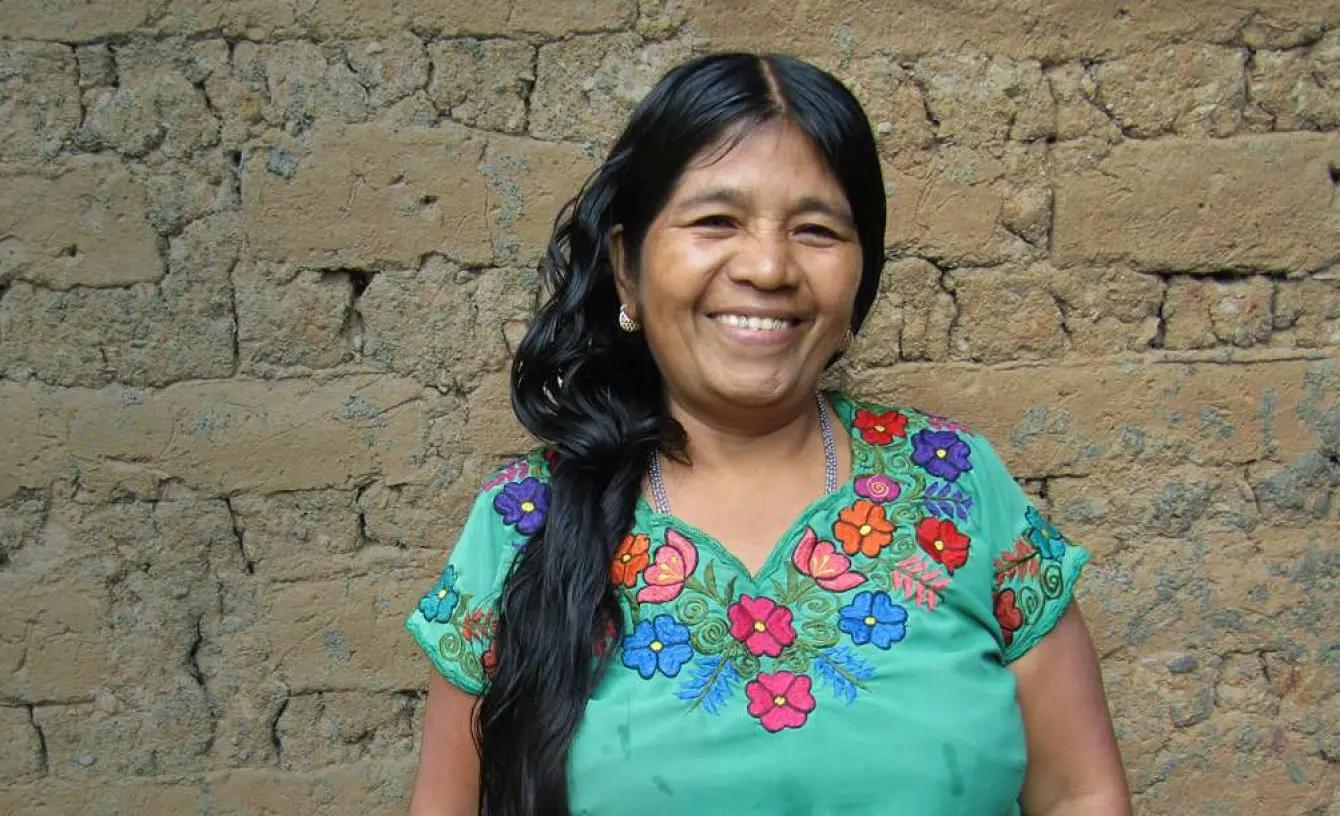
The 80 coffee growers elected a leadership team with Doña Juanita as the president and four other women. This is just the first step toward a bigger goal: forming a collective or association. The most important impact of the project is inspiring them to organize, advocate for their rights, and strive for independence.